


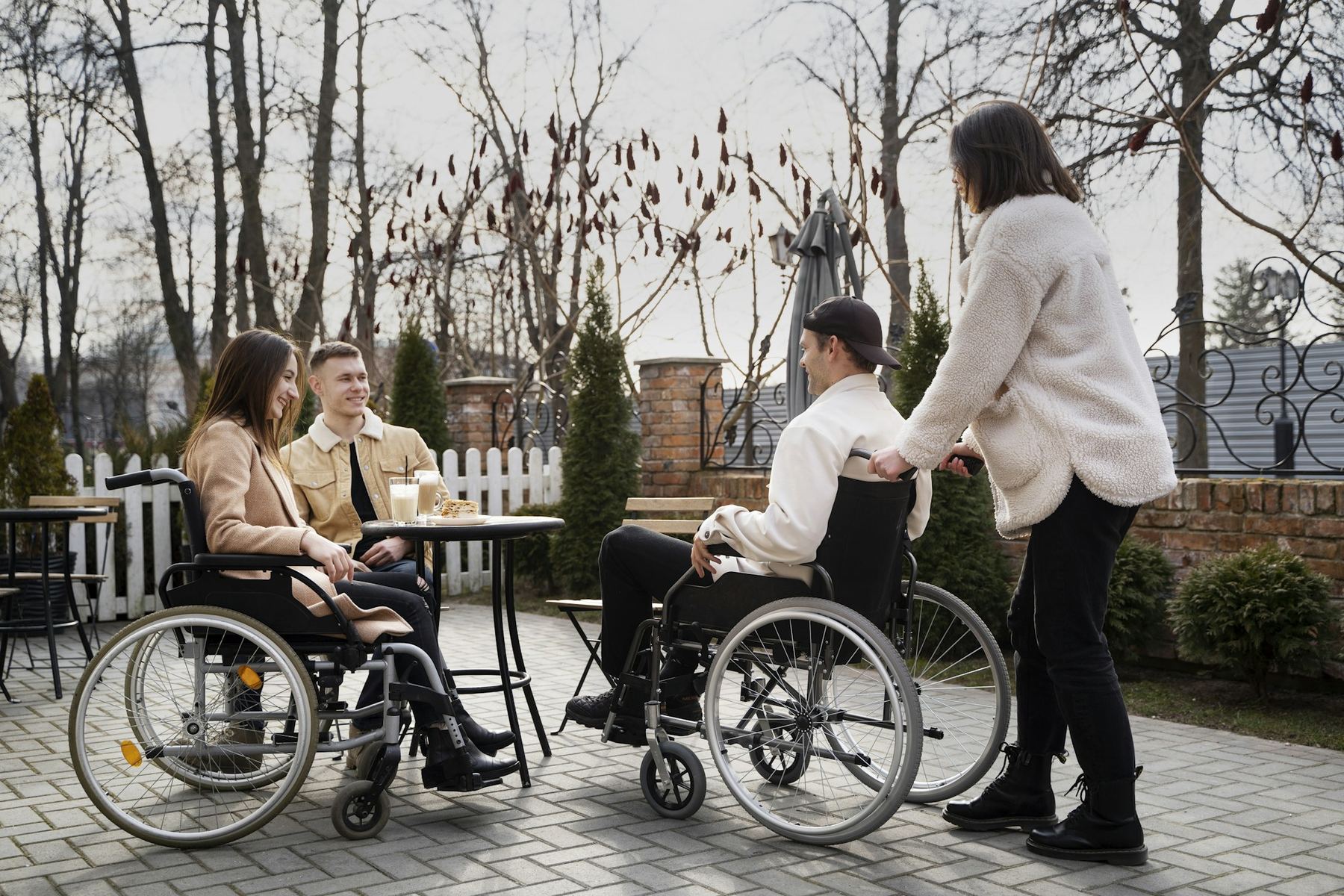
Person-centred care starts with listening. It means building support around each person’s interests, culture and goals, rather than fitting them into a service that already exists. For many people with disability, one of the most important goals is simple: to feel part of their community.
This article explains what person-centred care looks like in practice, why community connection matters so much, and how NDIS supports can help you get out and about in a way that suits you.
What person-centred care actually means
“Person-centred” gets used a lot, so it’s worth being clear about what it should mean for you.
It means you are the expert on your own life. Your support is shaped around what you want to do, how you like things done and who you want involved. It changes when your goals change, not just when a plan is reviewed.
In practice, person-centred support usually includes:
- Choice and control. You decide which supports you use, when and who delivers them, within what your plan funds.
- Your goals first. Support is linked to the goals in your NDIS plan and to the everyday things that make a good day for you.
- Respect for who you are. Your culture, language, faith, family and identity are part of good support, not an afterthought.
- Building independence. The aim is to help you do more of what you want, your way, not to do things for you that you’d rather do yourself.
- Honest communication. You get clear information about your options and what your plan can and can’t cover.
Why community connection matters
Being part of a community is about more than getting out of the house. It’s about friendships, belonging, routine and the confidence that comes from trying new things.
For many participants, community connection can mean:
- Joining a club, class, sporting team or interest group
- Volunteering, studying or working towards a job
- Visiting the library, the beach, a café or the local shops
- Going to cultural or faith events, or catching up with family
- Learning to use public transport so you can get around more independently
These things can be hard to do without the right support. Barriers might include transport, access, confidence, communication, or simply not knowing what’s on nearby. Good support helps you work through those barriers one step at a time.
How the NDIS can support community participation
The NDIS can fund supports that help you take part in social, economic and community life, where they relate to your disability and your plan goals.
Depending on your plan, this may include:
- Assistance with Social, Economic and Community Participation. This sits in your Core Supports budget and can cover a support worker who helps you get to, and take part in, community activities.
- Capacity Building supports. These help you build skills over time, such as travel training, social skills or confidence in new situations.
- Transport funding. Some plans include funding to help with the cost of getting around.
The NDIS generally doesn’t pay for everyday costs that anyone would have, such as the entry fee for an activity or the cost of a meal out. It’s the disability-related support that may be funded. What’s included varies from plan to plan, so check with the NDIA or your support coordinator if you’re not sure what your plan covers.
Making community support work for you
A few things can make a real difference when you’re planning community support:
Start with what you enjoy
Think about what you already like, what you used to enjoy, or what you’ve always wanted to try. Support works best when it’s built around real interests rather than a list of generic activities.
Set goals you care about
Goals don’t have to be big. “Go to the footy with a mate once a month” or “catch the bus to the shops by myself” are great goals. Clear goals help you, your supporters and the NDIA see what support you need.
Think about consistency
Many people find it easier to try new things with someone they know and trust. Having familiar support workers means you’re not explaining yourself to someone new each time.
Build towards independence
Some participants want ongoing support in the community. Others want to build skills so they need less support over time. Both are fine. Talk about what you want so your support can be planned that way.
Involve the people who matter
Family, friends, carers and your support coordinator can help you plan and stay on track, if you want them involved. It’s your choice who is part of the conversation.
Our approach at WeCare
At WeCare, we support people with disability across Australia. Our community participation support is built around the person: their goals, their routines, their culture and what a good day looks like for them.
We aim to match you with a small, consistent team of support workers who suit you, and we keep communication straightforward so you and the people you choose always know what’s happening. We work with every plan type: NDIA-managed, plan-managed and self-managed.
Getting started
If you’d like support to get out into your community, or you’re not sure what your plan allows, we’re happy to have a chat. Get in touch with our team and tell us a little about yourself or the person you support. There are no forms to get right the first time.
For questions about your plan funding or eligibility, check with the NDIA or your support coordinator.